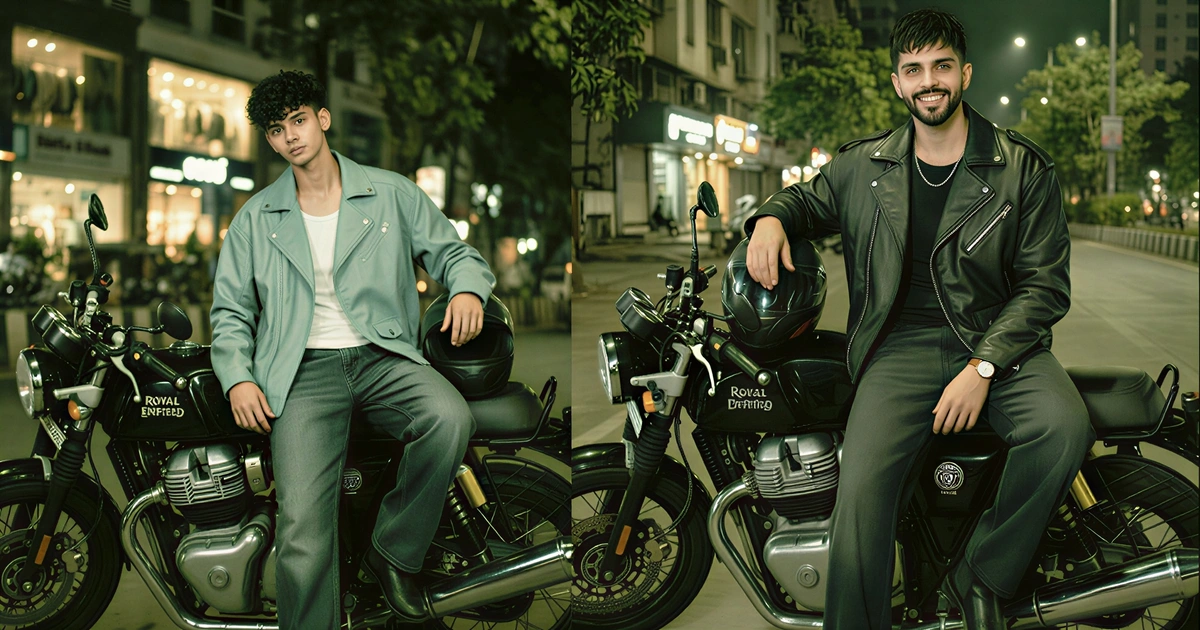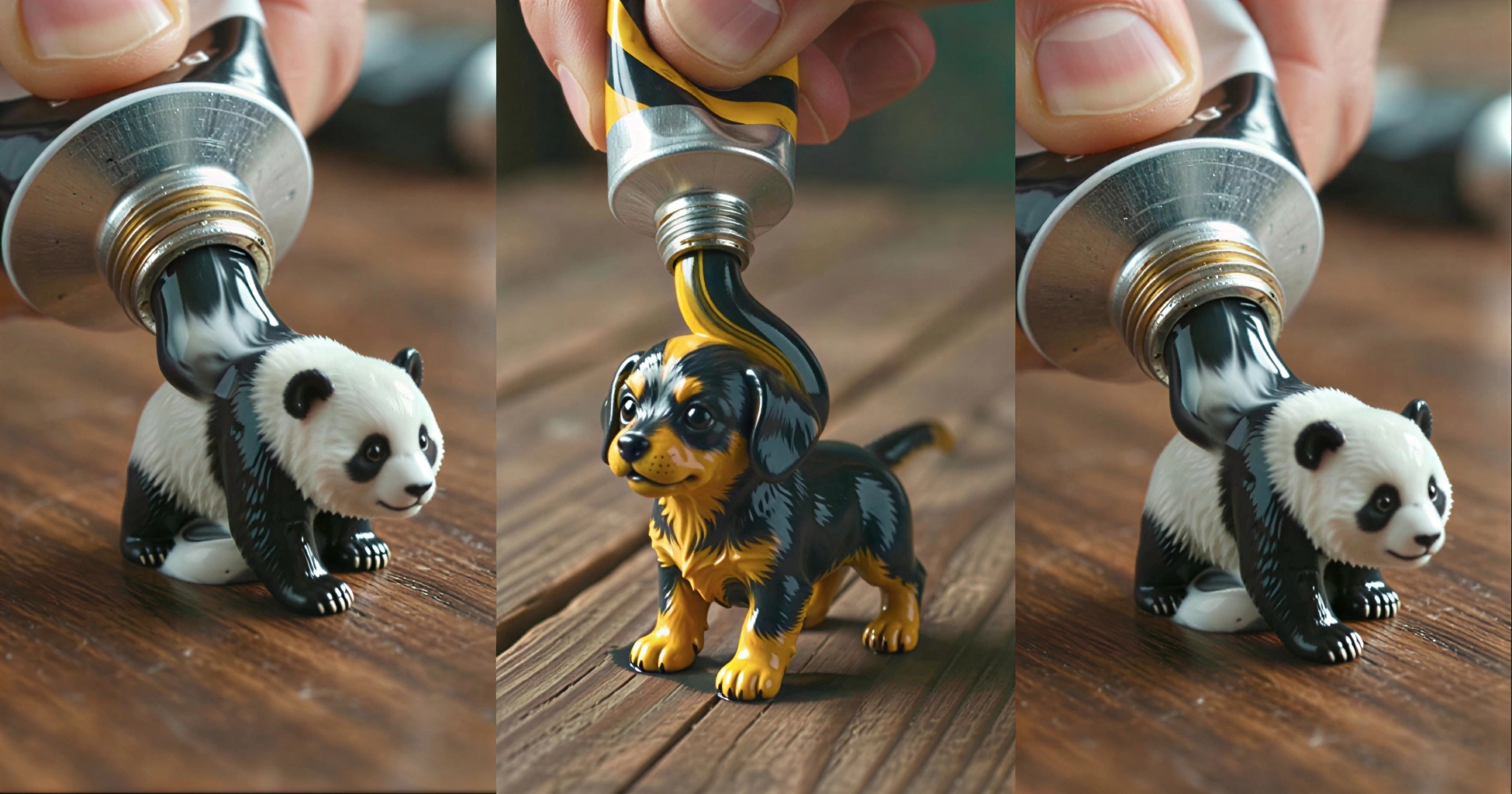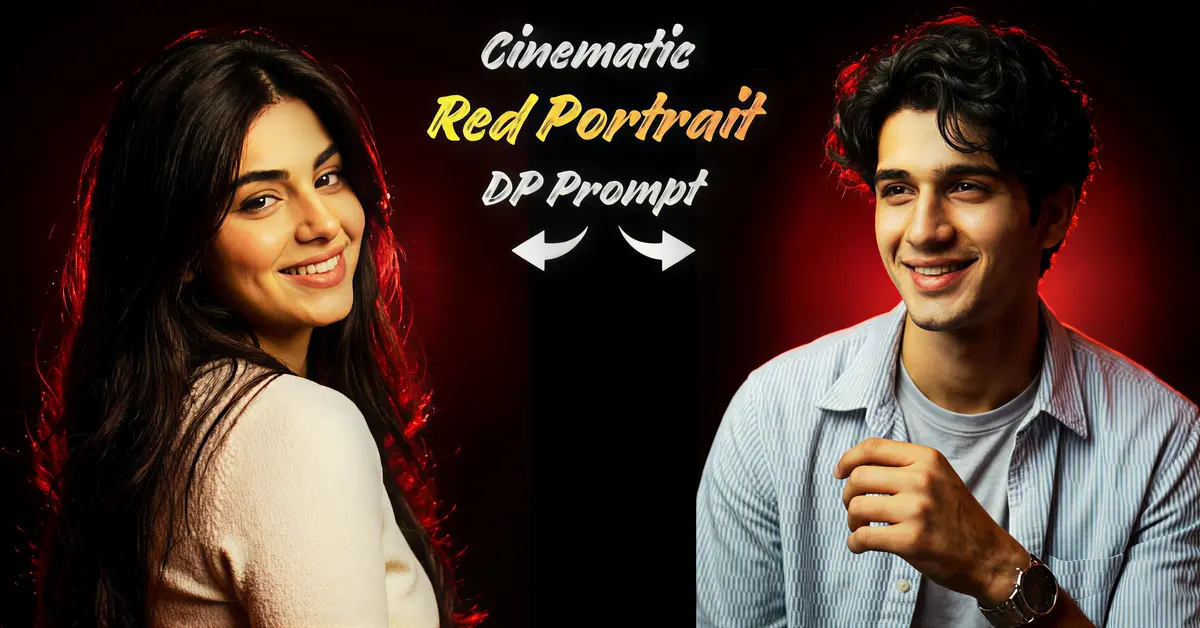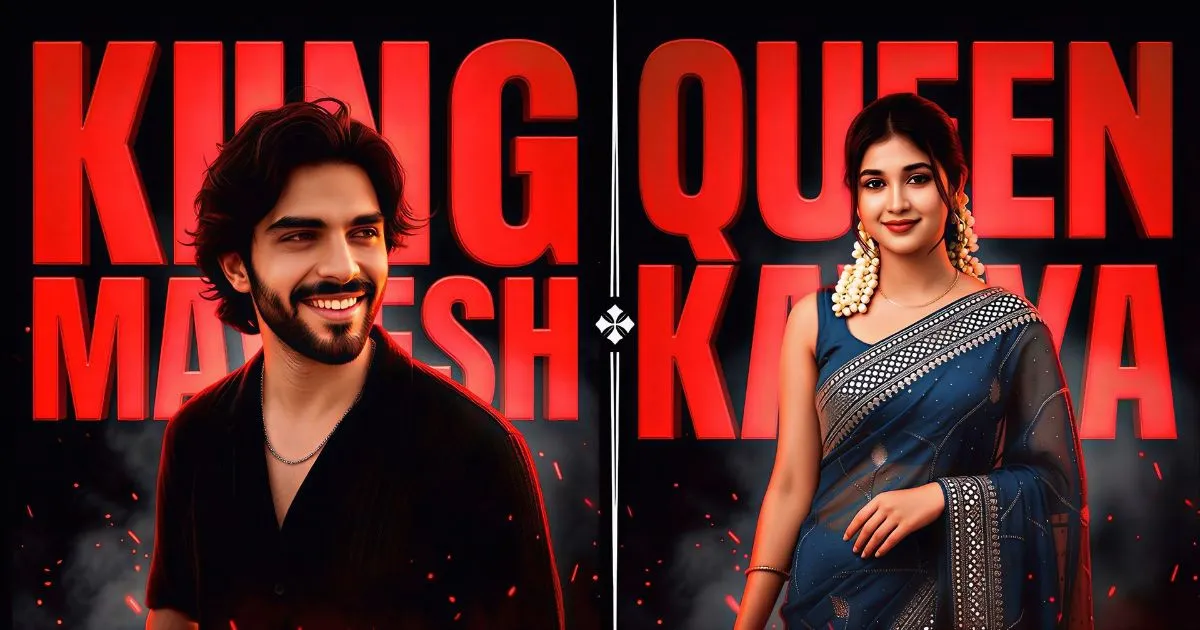
Some color combinations instantly command attention, and red with black sits at the top of that list. This dramatic pairing keeps coming up for a reason, whether you’re looking at promotional artwork for big-budget movies, browsing movie posters, or scrolling through social media. Red symbolizes intensity, energy, passion, and action, while black adds mystery, depth, and cinematic elegance.
The growing popularity of AI image generators has made it possible for creators, influencers, designers, and content creators to produce professional-looking cinematic posters without advanced graphic design skills. A well-crafted cinematic poster prompt can transform a simple portrait into a breathtaking movie-style masterpiece featuring dramatic lighting, powerful shadows, detailed textures, and an unforgettable visual atmosphere.
Understanding how to structure a red and black combo cinematic poster prompt is often the difference between a basic AI image and a poster that looks worthy of a streaming platform cover. This guide explores the creative principles behind this style, practical prompt-building techniques, expert recommendations, and proven examples that help generate impressive cinematic artwork consistently.
Why the Red and Black Color Combination Works So Well
Not every color palette creates the same emotional impact. Red and black have been used in visual storytelling for decades because they naturally evoke strong reactions.
When viewers see red, they often associate it with:
- Power
- Passion
- Action
- Danger
- Determination
- Confidence
Black introduces a different psychological effect:
- Mystery
- Sophistication
- Drama
- Authority
- Depth
- Cinematic atmosphere
Together, these colors create visual tension that immediately attracts attention.
Many iconic movie posters, gaming covers, action campaigns, and entertainment advertisements rely heavily on this contrast because it creates an emotional response before viewers even process the subject itself.
For AI-generated posters, this combination works exceptionally well because modern image models handle dramatic lighting and high contrast environments with remarkable effectiveness.
Red and Black Poster Prompt Source 👇
Building an Effective Cinematic Poster Prompt
It takes more than just specifying colors to create a powerful movie poster prompt.
The most successful prompts combine multiple visual elements that work together to create a believable movie-poster aesthetic.
Read Also : night glow effect ai prompt night light cinematic photo
Core Components to Include
| Element | Purpose |
|---|---|
| Subject Description | Defines the main character or focus |
| Lighting Style | Creates mood and realism |
| Color Palette | Establishes emotional tone |
| Background Environment | Adds context and depth |
| Camera Angle | Enhances cinematic storytelling |
| Texture Details | Improves realism |
| Poster Composition | Creates professional layout |
| Visual Effects | Adds drama and impact |
Common Mistakes Can Reduce Poster Quality
Even advanced AI generators can produce mediocre results when prompts are poorly structured.
Avoid these frequent mistakes.
Using Only Color Instructions
Many users focus exclusively on “red and black” without describing lighting, atmosphere, or composition.
Colors alone rarely create a cinematic effect.
Ignoring Camera Perspective
Perspective dramatically influences visual storytelling.
Adding phrases such as:
- Low-angle shot
- Close-up portrait
- Wide cinematic frame
often improves results significantly.
Overloading the Prompt
Including too many unrelated styles can confuse image models.
Maintain a clear visual direction.
Forgetting Quality Descriptors
Terms like:
- Ultra realistic
- Cinematic lighting
- High contrast
- Detailed textures
- Professional movie poster
help guide the model toward a premium result.
Expert Techniques for More Realistic Results
Creators who consistently produce exceptional cinematic posters often use advanced prompt layering.
Some effective methods include:
- Define a clear subject first.
- Add environmental context.
- Specify lighting direction.
- Introduce atmospheric effects.
- Add cinematic camera instructions.
- Finish with quality and realism modifiers.
A layered prompt structure provides better visual consistency than randomly adding descriptive words.
Another useful technique involves balancing light and darkness. Excessive red can overwhelm the composition, while excessive black may hide important details.
Professional-looking posters typically use red as an accent rather than the dominant visual element.
FAQs :-
Which AI tools work best for cinematic poster generation?
Popular options include AI image generators such as Midjourney, ChatGPT image generation, Flux, Ideogram, and Stable Diffusion-based platforms. Each can produce impressive cinematic results when given detailed prompts.
Why does my cinematic poster look flat?
Flat images usually lack lighting instructions, depth effects, atmospheric elements, or camera direction. Adding volumetric lighting, depth of field, smoke, and shadow details often improves realism dramatically.
Can red and black cinematic prompts work for female portraits?
Yes. The color palette works equally well for male and female subjects. It is commonly used for fashion campaigns, movie-style portraits, music promotions, and personal branding projects.
Conclusion
A red and black combo cinematic poster prompt combines two of the most visually powerful colors with dramatic storytelling techniques that instantly elevate AI-generated artwork. While many users focus only on color selection, the true cinematic effect comes from combining lighting, composition, atmosphere, subject positioning, and realistic details into a cohesive prompt structure.
The most impressive results typically emerge when red lighting is used strategically against deep black backgrounds, creating contrast that feels bold, emotional, and visually memorable. By applying the techniques discussed in this guide, creators can consistently generate movie-style posters that look polished, professional, and ready for social media, branding campaigns, promotional content, or creative projects.